10 vitamin C bombs you'll want to add to your diet
We associate vitamin C with our resistance. You may have taken one of those big vitamin C pills, or a dissolvable tablet, when you felt a cold coming on. We then often have het idea that it can give our resistance nt that extra push it can giveven. And it does. Taking vitamin C that one time with a tablet may not work wonders, but a diet packed with vitamin C wél. With these 10 vitamin C bombs, make sure your resistance is at its strongest.
1. Peppers
Bell peppers are an excellent source of vitamin C. You might expect the orange in spot 1, but in fact red bell peppers contain more than twice as much vitamin C as oranges. A medium red bell bell pepper contains about 150 milligrams vitamin C, equivalent to 2 times the recommended amount of 75 milligrams for an adult. It does matter which color you choose. The red bell bell pepper is the best choice, because at 150 milligrams it still contains a lot more than, say, his groene brother, which contains 70 milligrams of vitamin C.
2. Kiwis
These small fruits with hairy brown skin and bright green flesh are rightfully high on this top list of vitamin C bombs. Not only are they rich in vitamin C, but they contain ook lots of vitamin K and potassium. A medium-sized kiwi contains about 80 milligrams of vitamin C. That means eating one kiwi a day can already meet your entire Vitamin C requirement.
3. Sprouts
Brussels sprouts dirty? They are not everyone’s favorite en children in particular still tend to frown when Brussels sprouts are on the menu. A shame, because not only are they heartily delicious to make, they are little green vitamin C bombs. With as much as 150 milligrams of vitamin C per 100 grams of Brussels sprouts are at the top of this list. One or two scoops of brussels sprouts will give you enough vitamin C for an entire day.
4. Oranges
You probably saw this one coming, though you might have had it higher on the list expected. Not for nothing do many vitamin C supplements have an orange flavor. We simply associate vitamin C with oranges. And while there are foods with more vitamin C, it is also justified. One orange contains about 80 milligram vitamin C. It is best to eat oranges, rather than squeezing them and drinking the juice. In fact, oranges are also rich in fiber and contain other healthy substances such as thiamine and folic acid. You miss out on those if you only drink the juice, while you then have a lot of sugar in. However, vitamin C is hardly lost when you squeeze an orange. Provided you drink the juice fresh of course!
5. Strawberries
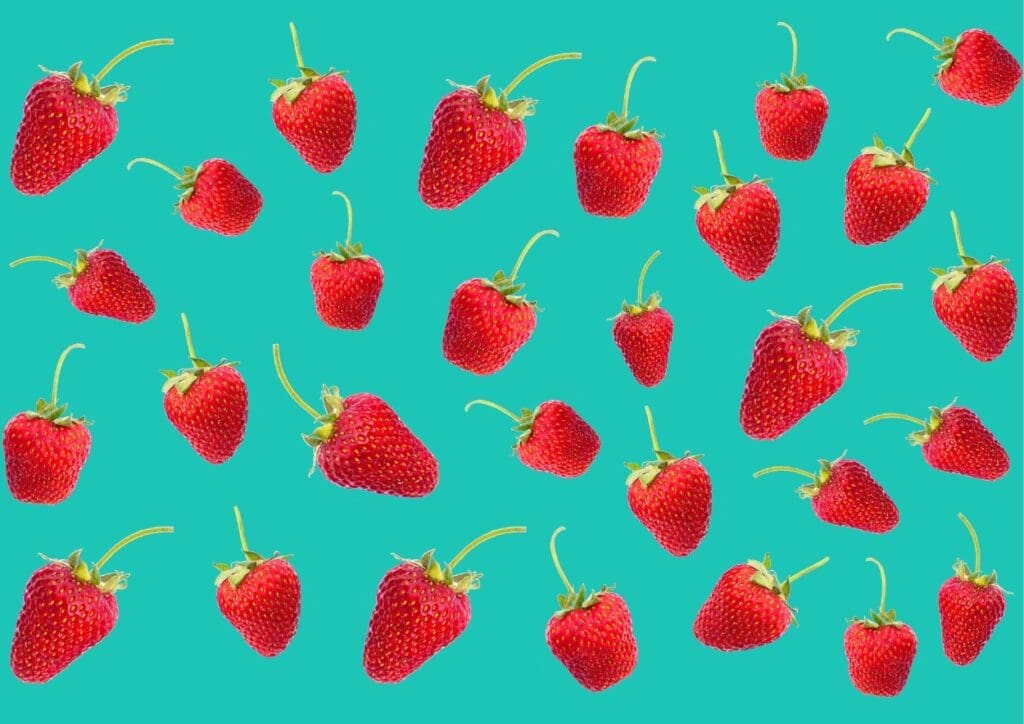
Fortunately, these delicious little sweets are also on the list. An aardbeit not only tastes really good, but is also heart healthy.e healthy. Among other things, that comes, because it contains a lot of vitamin C. There are 60 milligrams of vitamin C in 100 grams of strawberries. A large container of strawberries contains 400 grams of strawberries, so with 100 to 150 grams you have about a serving. So that’s almost enough to get your daily recommended amount of vitamin C.
6. Broccoli
Broccoli is a commonly eaten vegetable in the Netherlands. And that’s just as well. In fact, broccoli is heart healthy. It is packed with fiber, calcium and iron. And it is also packed with vitamin C. An uncooked broccoli contains a whopping 90 milligrams of vitamin C per 100 grams. When you cook the broccoli, about 75 milligrams remain. With a plate of broccoli of 150 grams, therefore, you have more than enough vitamin C to go around.
7. Kale
Another another well-known vegetable is the primal Holland kale. Besides vitamin C, kale is also rich in other nutrients such as calcium, potassium and fiber. Fresh farmernkool contains per 100 grams, 100 milligrams of vitamin C. One to one, in other words. For every gram of kale, you get one milligram of vitamin C. The fresher the kale is, the more vitamins it retains. And the shorter you cook it, the less is lost gaat.
8. Black currants
Black currants are not to be confused with black currants, but the two are related. The zwarte bes can be recognized by a dull dark purple to black color. The black bash is sold at most fruit and vegetable stores.available in July and August. And then take them, because there are a whopping 150 milligrams of vitamin C in 100 grams of blackcurrants. So these are rightfully little vitamin C bombs.
9. Parsley
Ok, obviously you’re not going to eat a plate full of it, maar if you add herbs to your meal, choose parsley a little more often. In fact, this deliciously fresh herb is good for 125 milligrams of vitamin C per 100 grams. So with a good amount of parsley, you also get a good amount of Vitamin C inside. And although in practice you only use a handful, you still get quite a bit in. Therefore, a spot in this top 10 for “peter-C-lie.
10. Guava
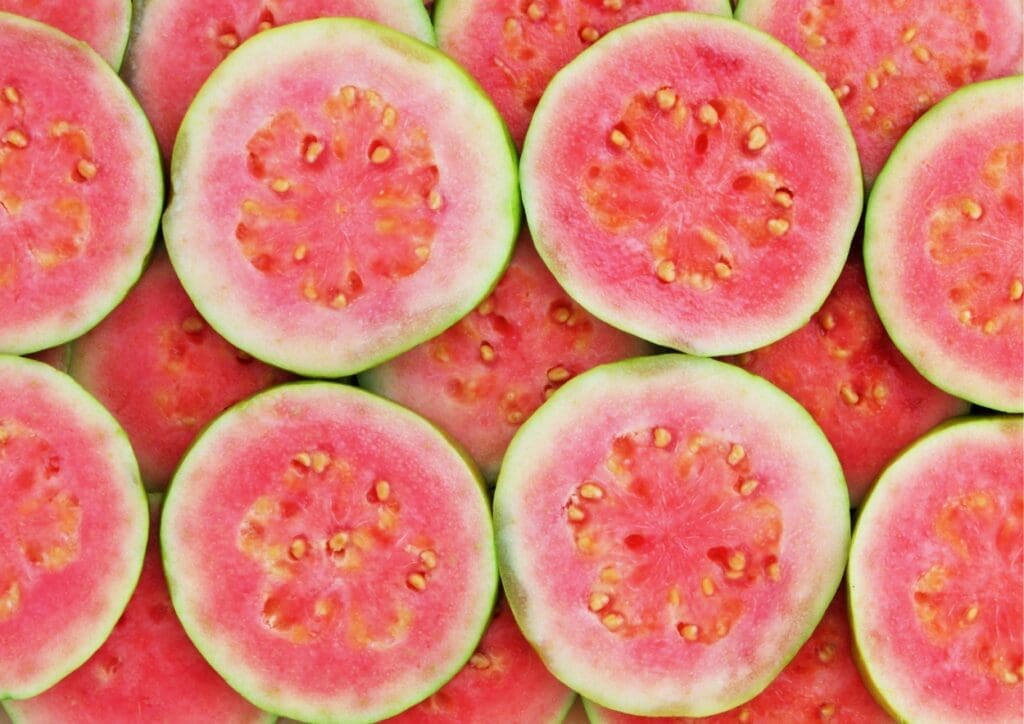
The last place is reserved for an odd duck. And actually that’s crazy, because if this fruit was readily available it would have been on the #1 spot. With 228 milligrams of vitamin C per 100 milligrams of guava, this is a mega-vitamin C bomb. Why then at the bottom of the list? Because guava is hard to come by in the Netherlands. Specialized stores, such as larger fruit farmers, still like to carry this fruit on their shelves. They taste deliciously sweet and sour and can be eaten raw after being peeled. Delicious in a fruit salad or cheese plate. Give it a try!